
HubSpot Lead Gen Architecture: Automation & Design Case Study
A scalable, end to end lead generation system built to improve speed, tracking accuracy, and campaign clarity.
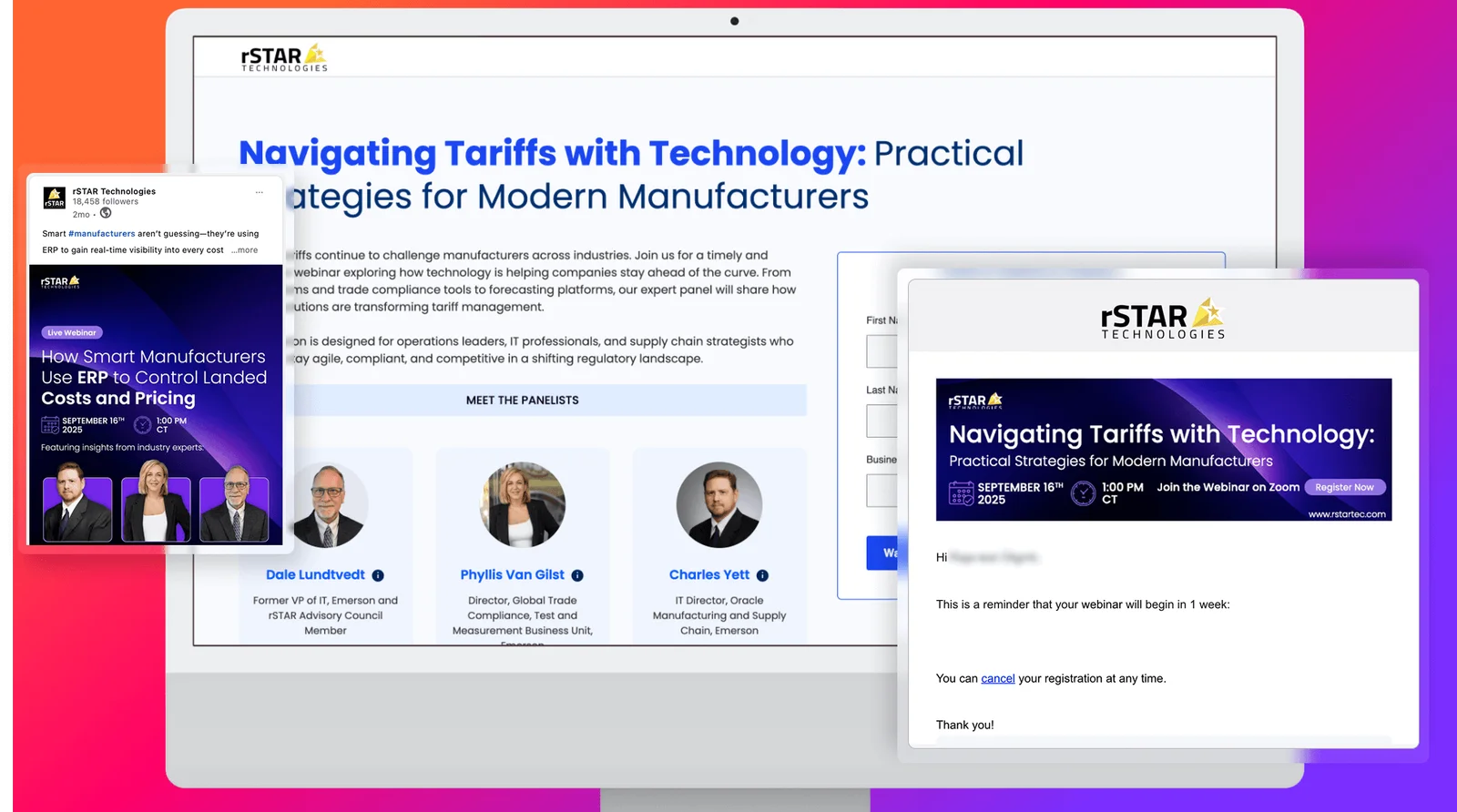
A fast moving B2B marketing team needed a reliable lead generation engine that could support webinars, gated content, landing pages, and outbound. Their existing setup was slow, manual, and had tracking issues, making it hard to measure lead quality or attribute revenue.
I redesigned the entire lead flow using HubSpot forms, automation, clean routing logic, and a modular landing page system.
The goal was to launch campaigns faster, improve lead clarity, fix attribution.
6 weeks
UX for funnels. HubSpot workflows, automation setup, landing page design, tracking.
HubSpot. WordPress. GA4. AI assisted workflow documentation
Challenge
The marketing team wanted to scale to 30+ high value assets a year webinars, PDFs, case studies but their existing system broke under pressure.
The main issues:
• Slow campaign setup (1–2 weeks each)
• No clean routing or scoring logic
• Tracking gaps across forms and sources
• Unclear attribution for paid channels
• Too much manual work for easy tasks
They needed a clear, stable, scalable system that let them launch campaigns quickly with accurate reporting.
Results
The new lead architecture improved campaign velocity and data clarity across the entire funnel. Key outcomes included:
• Launch cycles reduced by 40%
• Built and deployed 30+ funnels
• Clean, reliable 100% attribution in HubSpot
• Less manual work for the team
• Clearer handoff for sales
40%
Faster campaign launch cycles
100%
Lead attribution accuracy
30+
Funnels launched with predictable structure
Process
1. Mapping the Old System
I reviewed every form, list, workflow, and landing page to find gaps. Dependency issues and manual steps slowed everything down. AI tools helped speed up documentation and identify pattern issues.
2. Designing the New Funnel Flow
I created a clean architecture using:
• Shared master templates
• Consistent naming
• Standardized CTAs
• Unified routing rules
• Fewer steps in the user flow
This removed confusion and made launching new campaigns predictable.
3. Building Automation Logic
I rebuilt workflows in HubSpot to handle:
• Lead assignment
• Scoring
• Lifecycle updates
• Routing to SDRs/AEs
• Webinar follow ups
• Asset delivery
AI helped test copy variants and microcopy inside emails before rollout.
4. Setting Up Attribution
I cleaned UTMs, fixed form tracking, and implemented source level reporting so the team could finally see which campaigns brought the best leads.
5. Landing Page System
I built a modular WordPress landing page system with reusable blocks.
The team could now launch new pages in hours, not days.
6. Testing & Refinement
Final reviews focused on clarity. Fewer steps and removing friction.
Improved load speed, messaging and form UX.




Conclusion
This project showed how UX thinking, CRO principles, automation, and clean systems can turn a fragmented funnel into a reliable growth engine.
The new setup improved clarity, speed and reporting, helping both marketing and sales teams make better decisions and scale without friction.